Today fiberglass insulation in any form pink yellow green or white faced or unfaced rolls or batts remains an effective and popular insulator. As to insulation in a basement no vapor barrier use unfaced fiberglass or better yet use blue poly foam instead no worries about moisturecondensation with it apply the blue foam directly to the foundation install strapping on top or build your walls just in front of the foam boards with no insulation in the wall cavity.
Foil Faced Insulation
For reference my basement is currently finished with concrete exterior walls then charcoal colored wrapmaterial there seems to be an inch or two between this wrap and the exterior walls then stud framing with r12 batt insulation between the studs then a vapor barrier and finally drywall on top of the vapor barrier.

Faced or unfaced insulation in basement walls. If you are using a faced batt press it into place and staple the flanges to the edges or sides of the studs every 8 to 12. Kraft faced insulation includes a paper vapor retarder which helps prevent mold and mildew. Faced insulation is covered on one or both sides with a vapor barrier usually made of plastic foil or asphalt coated paper.
Understanding when and how to use faced or unfaced insulation in walls is critical. Kraft faced insulation should be installed in exterior walls exterior basement walls and attic ceilings by pressing the product into the wall cavity with the paper side facing outward towards the installer. Unfaced means the insulation lacks a vapor retarder paper or plastic facing.
If you are using a faced batt right press it into place and staple the flanges either on the edges or sides of the studs or to the faces of furring strips every 8 to 12 inches. Remember to wear proper protective gear including long sleeves gloves and safety glasses when installing basement insulation. We use thermax insulation board which has a glass fiber reinforced faced polyisocyanurate foam core.
Unfaced faced insulation installation in bakersfield ca. Blanket insulation can be faced on one side faced on both sides or unfaced. If you are using high density r 15 unfaced batts or special unfaced insulation for masonry walls press the insulation into place.
The purpose of the vapor barrier is to keep moisture out of the walls of the home. For basement exterior walls use fiberglass insulation or continuous insulation like ap foil faced polyiso foam sheathing depending on your project needs. The team at broken drum insulation of bakersfield installs unfaced insulation spray foam cellulose blown in fiberglass batt fiberglass and rockwool as well as faced insulation.
Make sure it fits well between the studs too. If you are using high density r 15 unfaced batts or special unfaced insulation for masonry walls press it into place left and friction will hold it. Each inch of thickness delivers a thermal.
A well insulated home keeps you toasty in the winter and cool in the summer but it should do more than that too because it is a big part of creating the vapor barrier that protects your drywall.
Crawl Space Insulation
Basement Insulation I Finished My Basement


How To Insulate And Frame Your Basement Walls
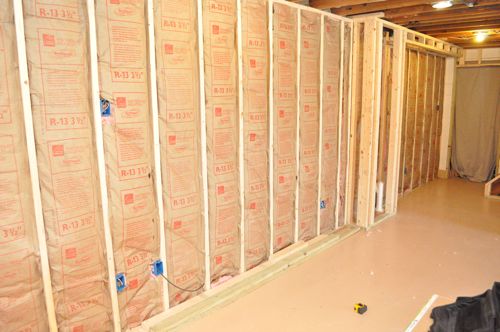
Finishing A Basement Day 4 Insulation One Project Closer
Healthy Basement Insulation Systems Quality Built Basements Llc

Insulation Installation Where To Insulate Walls Attic
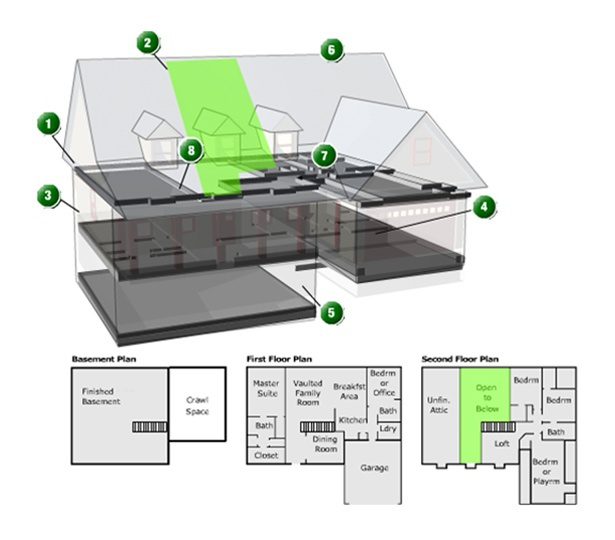
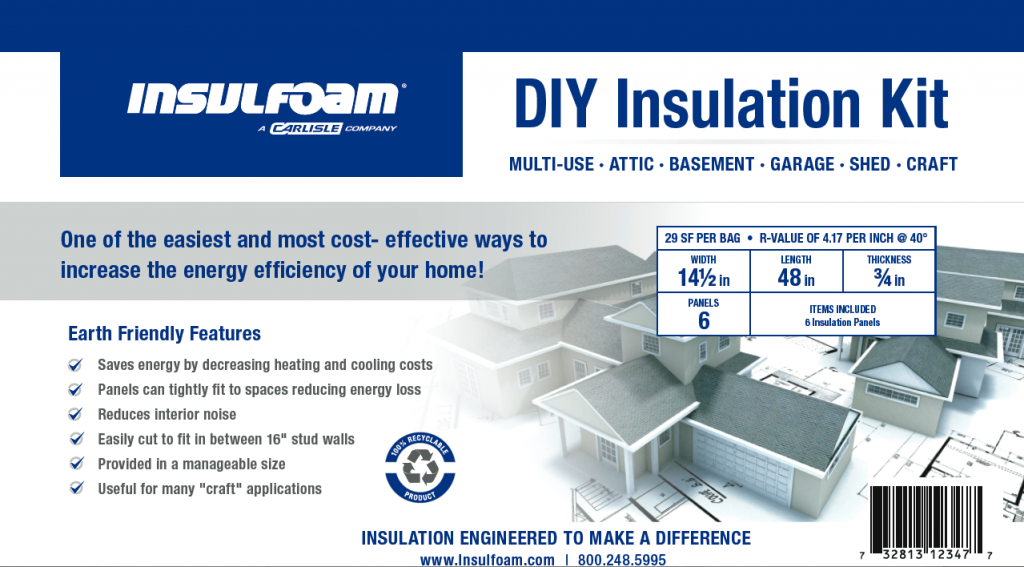
Diy Wall Insulation Basement Insulation Insulfoam

How To Install Fiberglass Batt Insulation Vapor Barrier Youtube

Which Rigid Insulation Should I Choose Fine Homebuilding

No comments:
Post a Comment